

SPONDYLOLISTHESIS
What is it?
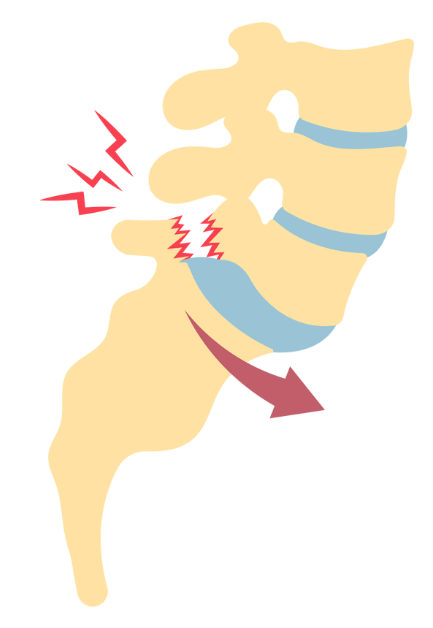
Spondylolisthesis is the slipping forward of one vertebral bone on another. This is most common in your low back at the L5 segment (the lowest vertebrae in the lumbar spine), which slips forward on the sacral bone, though it can happen anywhere in the spine.
There are a few different causes of this condition, but most commonly a stress fracture from repetitive activities occurs at a part of the vertebra called ‘pars interarticularis’, allowing the bone to slip out of its normal position.
What are the signs and symptoms?
These vary depending on the cause, but can include any or all of the following:
- Low back pain, including pain in the buttocks
- Pain along the back of the thigh which rarely goes lower than the knee
- Tight hamstring muscles
- Changes in walking pattern
- Pins and needles and/or numbness down the legs
- Bowel and bladder dysfunction (in more severe cases)
What do the symptoms mean?
Pain is a signal that something is wrong within the body, it is part of our bodies natural protection system.
In spondylolisthesis, back pain is the most common symptom, mainly due to overworked spinal muscles (lumbar erector spinae and or multifidus muscles) that tighten to maintain posture and now also to stabilise the spine where the vertebra has moved. Because the muscles are being over worked with the new added stress in your spine muscle fatigue can occur, causing a low grade constant aching.
People who have spondylolisthesis often will slightly bend forwards. This posture leads to buttock pain as the gluteus maximus and medius and hamstring muscles become tightened to protect and stabilise the lower back and hips.
Gluteal muscle spasm and tension can in turn lead to tension in the piriformis muscles, which can have an effect on the sciatic nerve (causing sciatica) which can include numbness, tingling or pain into the leg. Often the leg pain is not directly related to pressure on the nerves but may be coming from muscular trigger points and associated tight muscles.
How do I know if this is what I have?
If you come to us with low back and/or leg pain, we are trained to work out what is going on based on your symptoms and medical history. We will ask you plenty of questions to begin with to get an idea of what is going on. From there we do a thorough physical exam so that we can come to a specific diagnosis that we will work with you to treat.
Sometimes we may require the help of imaging to rule in or out spondylolisthesis, depending on the severity of symptoms and how much it is impacting your life. In these cases, we will send you off for an x-ray which can detect this issue.
How is it treated?
In most cases, spondylolisthesis can be managed without surgical intervention. Modalities like chiropractic, physiotherapy and massage are successful in reducing symptoms and correcting muscular and postural dysfunction that is associated. When this type of injury occurs, the instability of the vertebra can lead to many of the signs and symptoms mentioned above. One of the main goals of treatment is to increase stability and offload the stresses that are acting on the injured area.
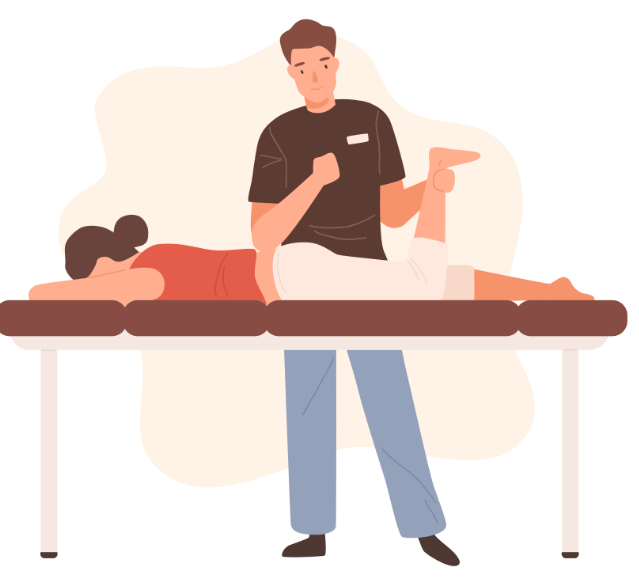
Alongside treating muscular, spinal and postural dysfunction, we will spend time educating you on the mechanics of the spine. If you understand what is happening to your spine, you will know how to protect it, without adding unnecessary stress to the area.
Dr. Sarah Shipton
Bc. Chiropractic
 ADAPT CHIROPRACTIC